What you'll hear
A two-hour walk through central Munich — from the spot where Kurt Eisner was assassinated to the university of the White Rose. Revolution and its suppression, the birth of the Nazi party, the putsch at the Feldherrnhalle, the “Capital of the Movement”, the Munich Agreement, resistance, destruction and today’s culture of remembrance. A calm, factual account for adults and teenagers who want to understand how all this became possible.
On the way
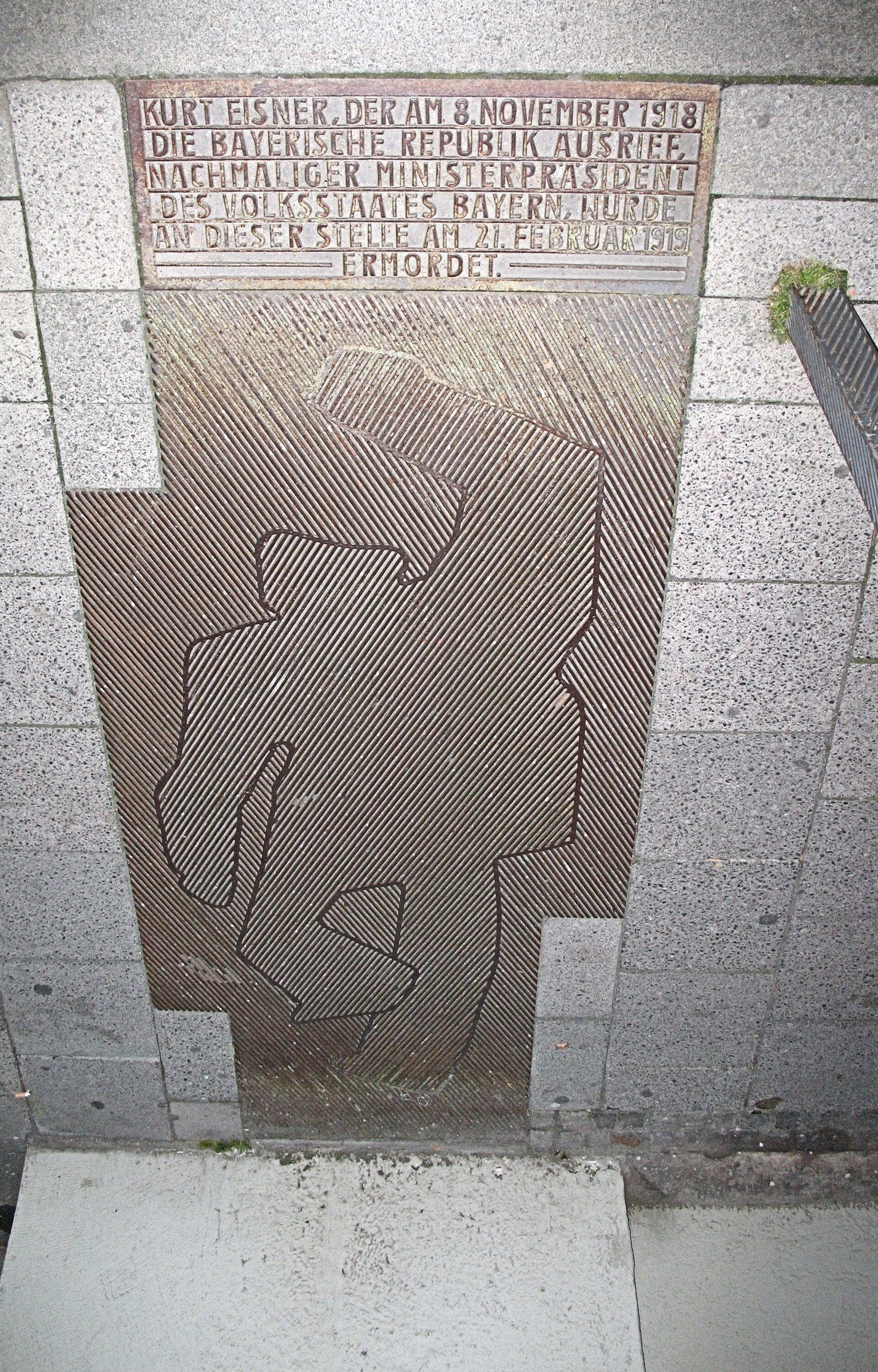
Where Kurt Eisner Was Shot
We are standing in Kardinal-Faulhaber-Straße, at the start of our route, at the spot where in February nineteen nineteen the first prime minister of republican Bavaria was murdered. From here we walk to Theatinerstraße and then east through the side streets to the Platzl and the Hofbräuhaus — about eight to ten minutes on foot. Let’s look down at our…
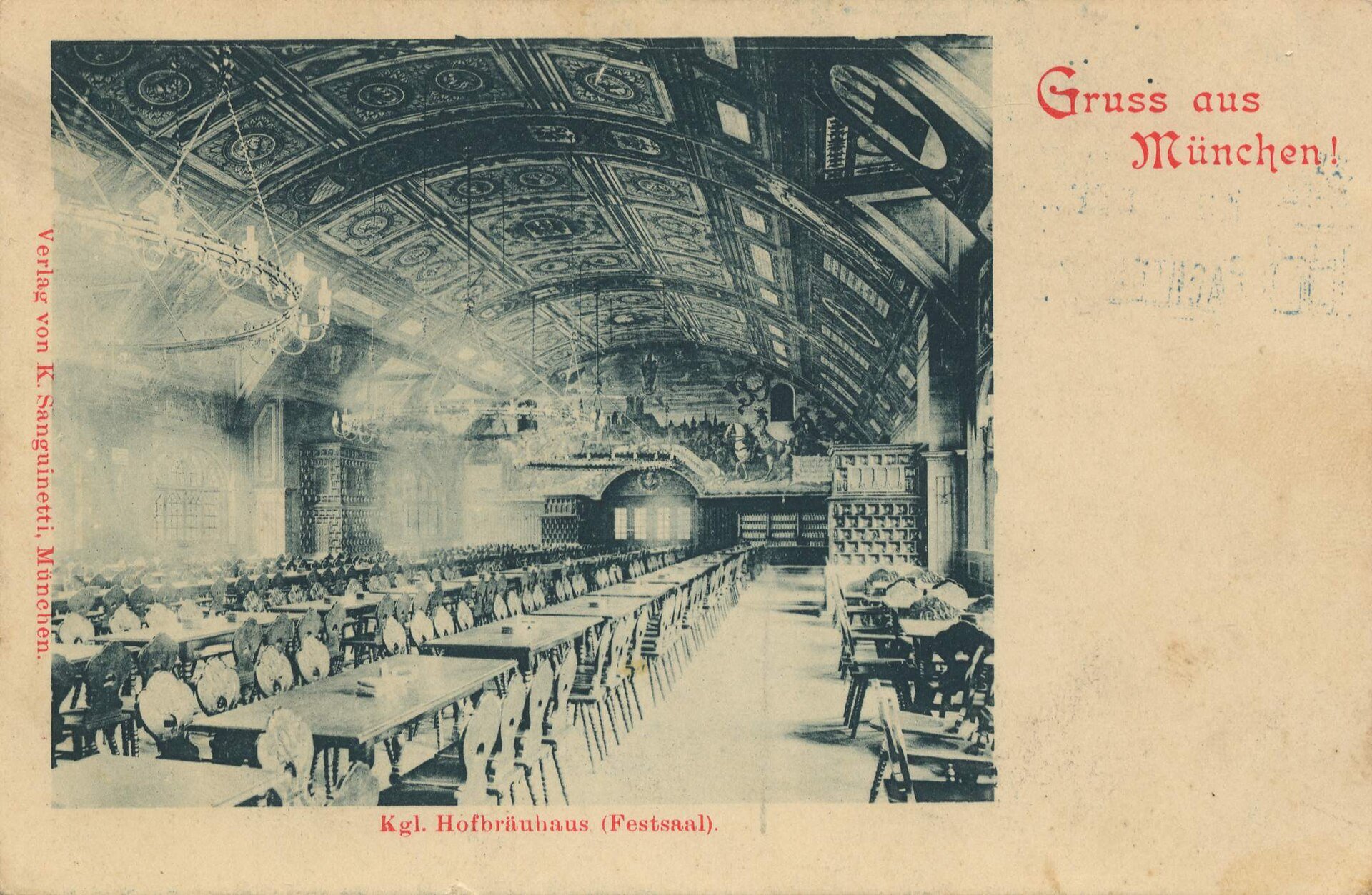
Hofbräuhaus — the Festsaal
In front of us is the Hofbräuhaus on the Platzl. We won’t talk about beer today — what interests us is the hall where, in nineteen twenty, a new party’s programme was announced. Next we head north along Pfisterstraße and Residenzstraße to Odeonsplatz and the Feldherrnhalle — about eight minutes. Everyone knows the Hofbräuhaus, but today we are interested not…
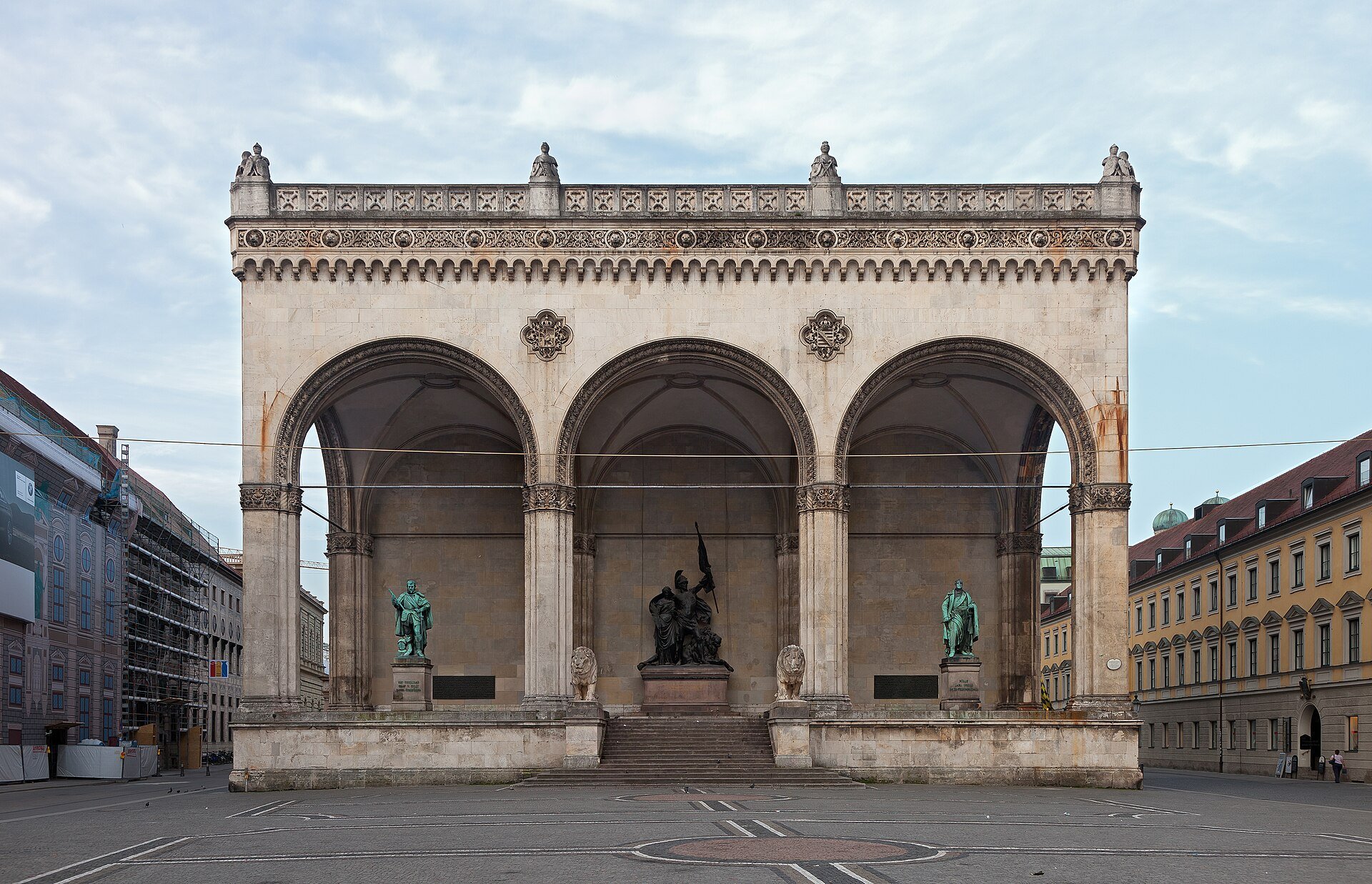
Feldherrnhalle and Viscardigasse
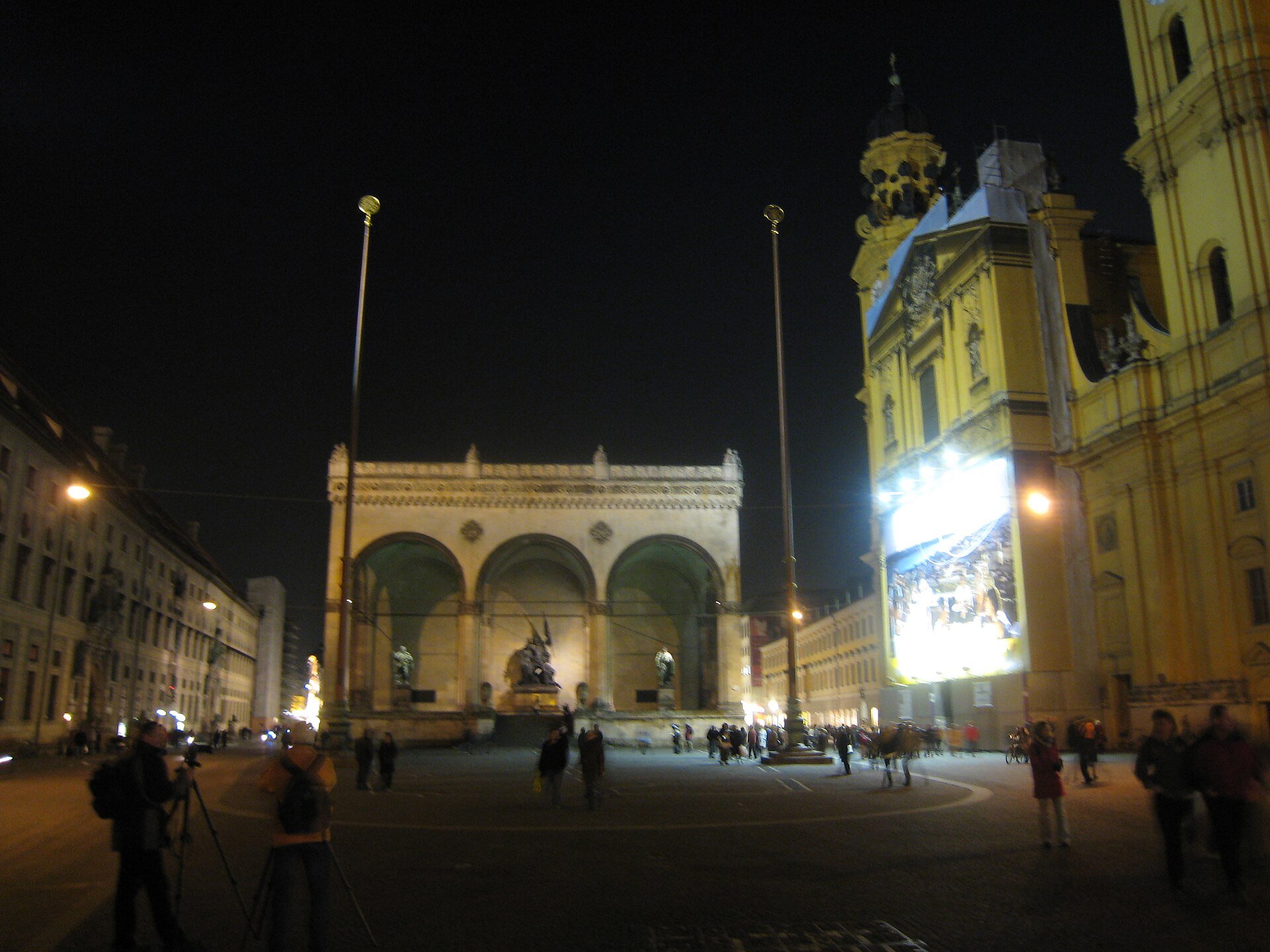
We are at Odeonsplatz, by the Feldherrnhalle: this is where Hitler’s putsch ended on the ninth of November nineteen twenty-three, and the lane behind the loggia keeps the memory of a quiet dissent. From here we walk west along Brienner Straße to a small square with an eternal flame — about six minutes. In front of us is the Feldherrnhalle…
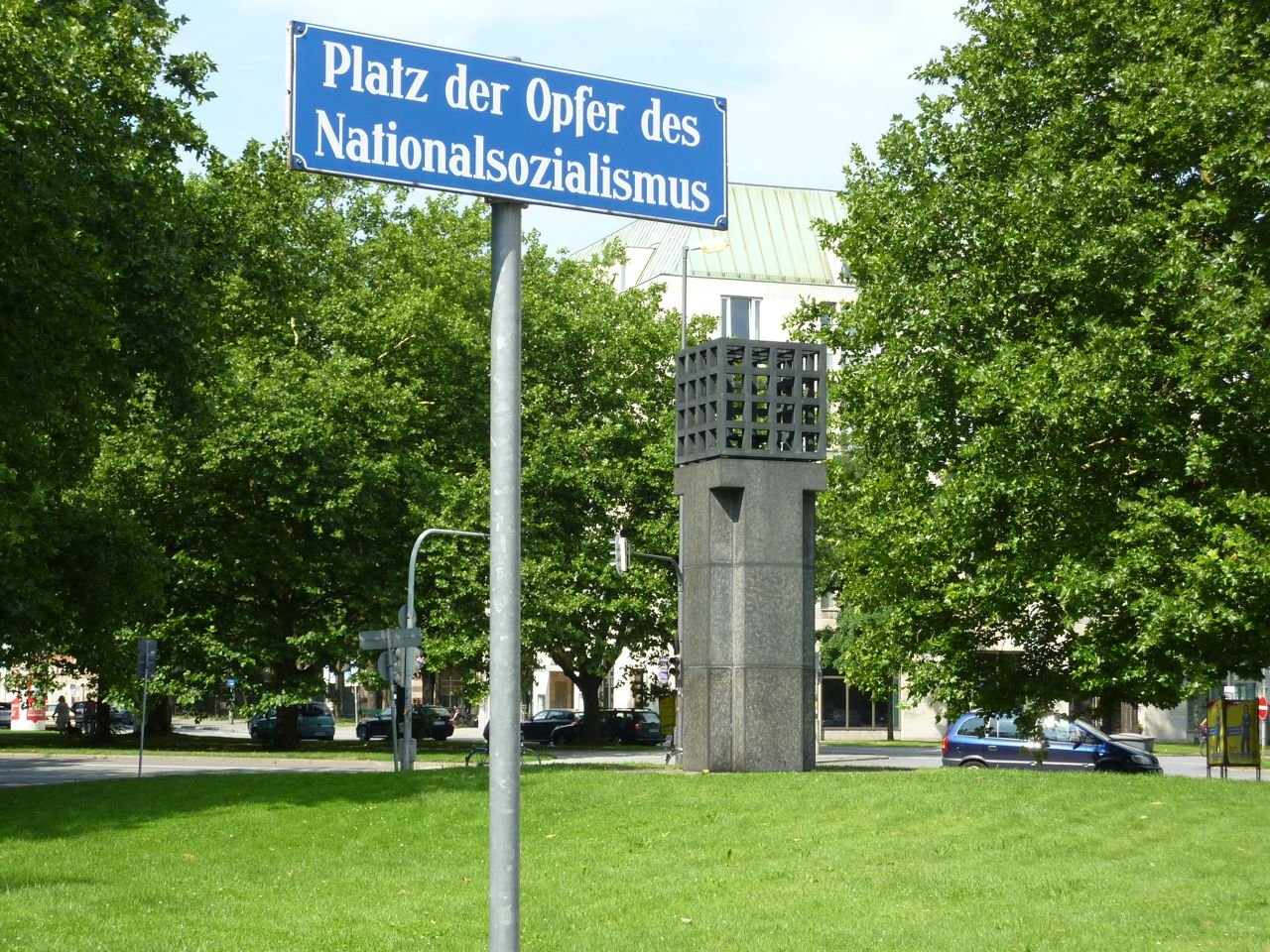
Platz der Opfer des Nationalsozialismus
We are at the Platz der Opfer des Nationalsozialismus, the Square of the Victims of National Socialism — the city’s main place of remembrance for everyone persecuted by the regime. Next we continue west along Brienner Straße, past Karolinenplatz with its obelisk, to Königsplatz — about eight to ten minutes. On this small square stands a stone column about six…
Königsplatz
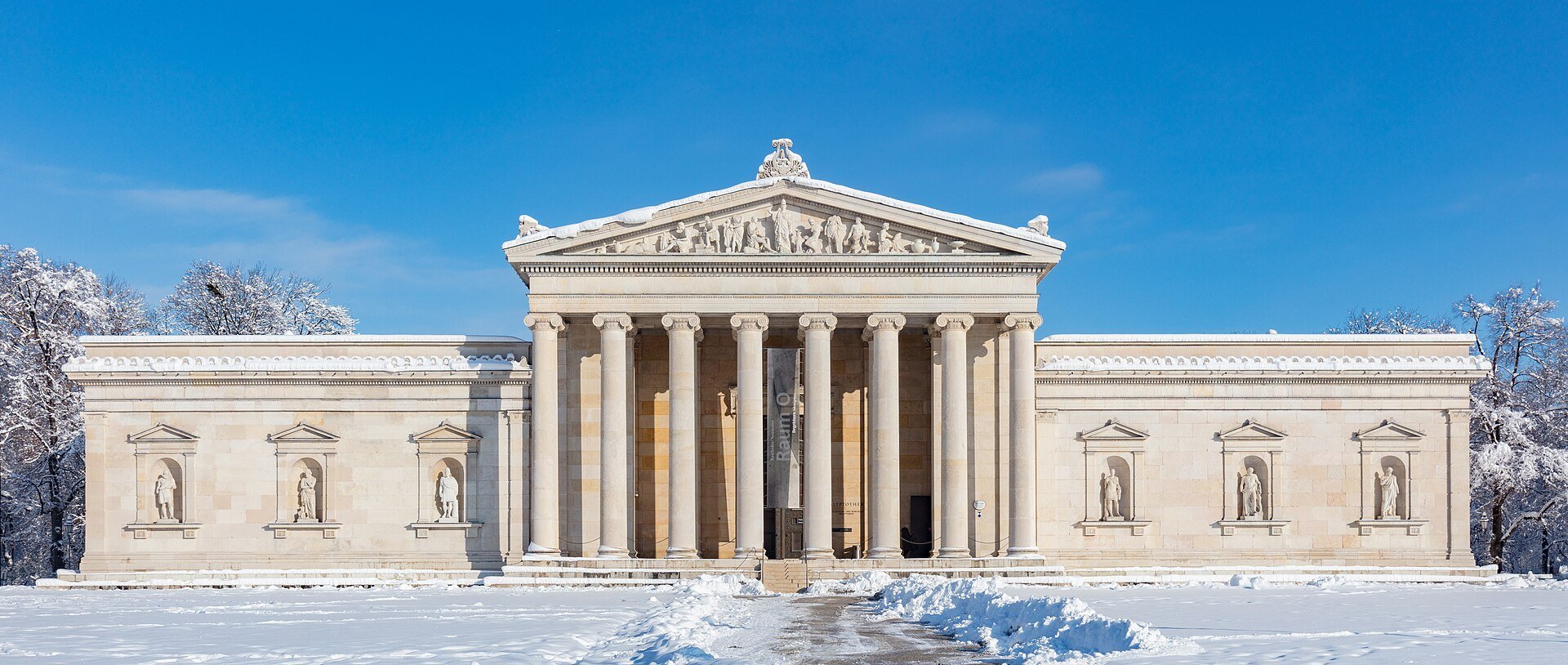
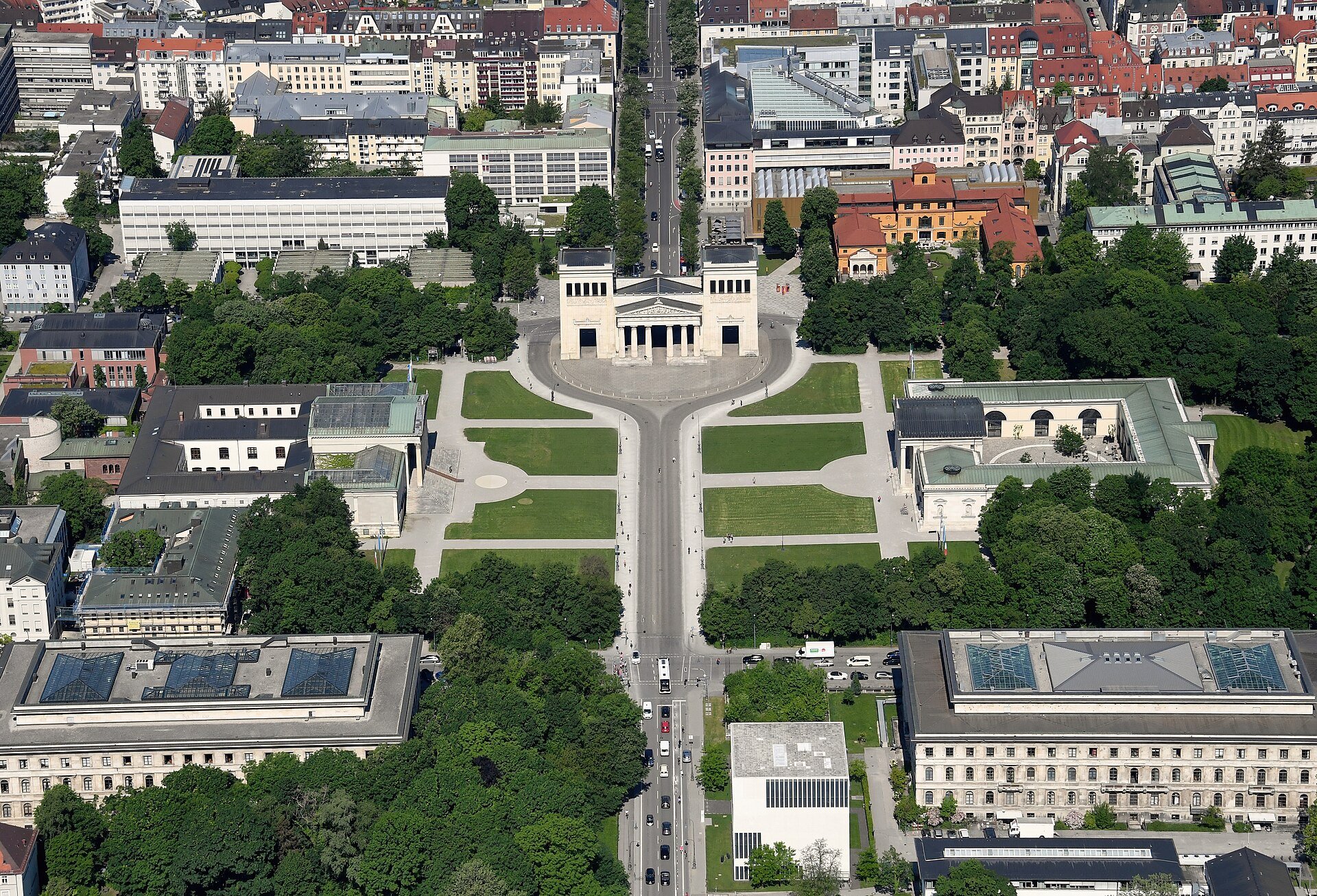
We are at Königsplatz, a square of classical columns that the Nazis turned into their parade ground. The next stop is very close: on the east side of the square, on Arcisstraße, the large pale building of the former “Führerbau” — two minutes on foot. King Ludwig the First conceived Königsplatz as a Greek dream: the Propyläen gate, the Glyptothek…
Former “Führerbau” — University of Music and Theatre
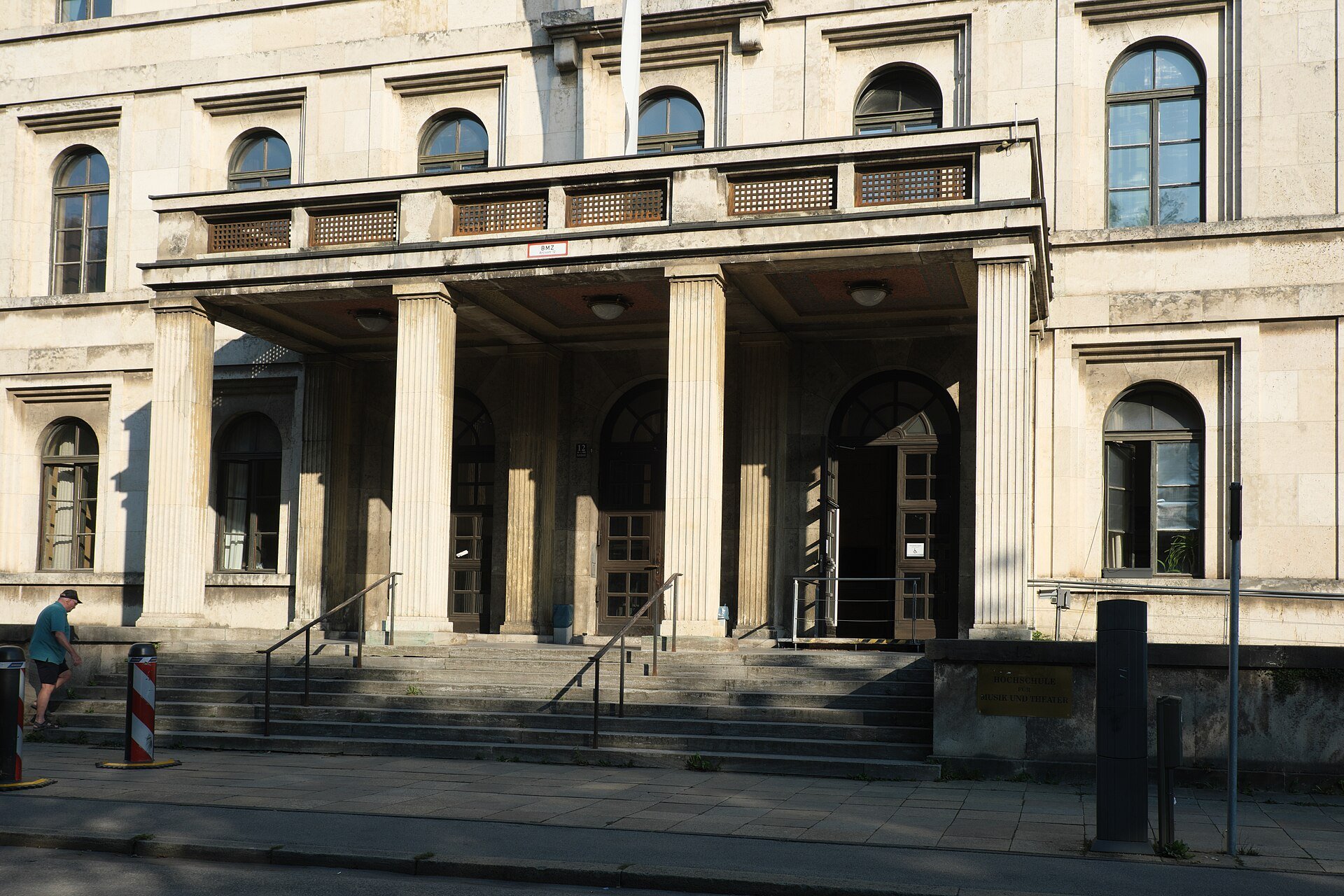
In front of us is the former “Führerbau”, today the University of Music and Theatre. The next stop is across Brienner Straße, on its corner: the white cube of the Documentation Centre, one or two minutes on foot. This pale stone building is the former “Führerbau”, the “Führer’s building”. It was built from nineteen thirty-three to thirty-seven to designs by…
Munich Documentation Centre for the History of National Socialism
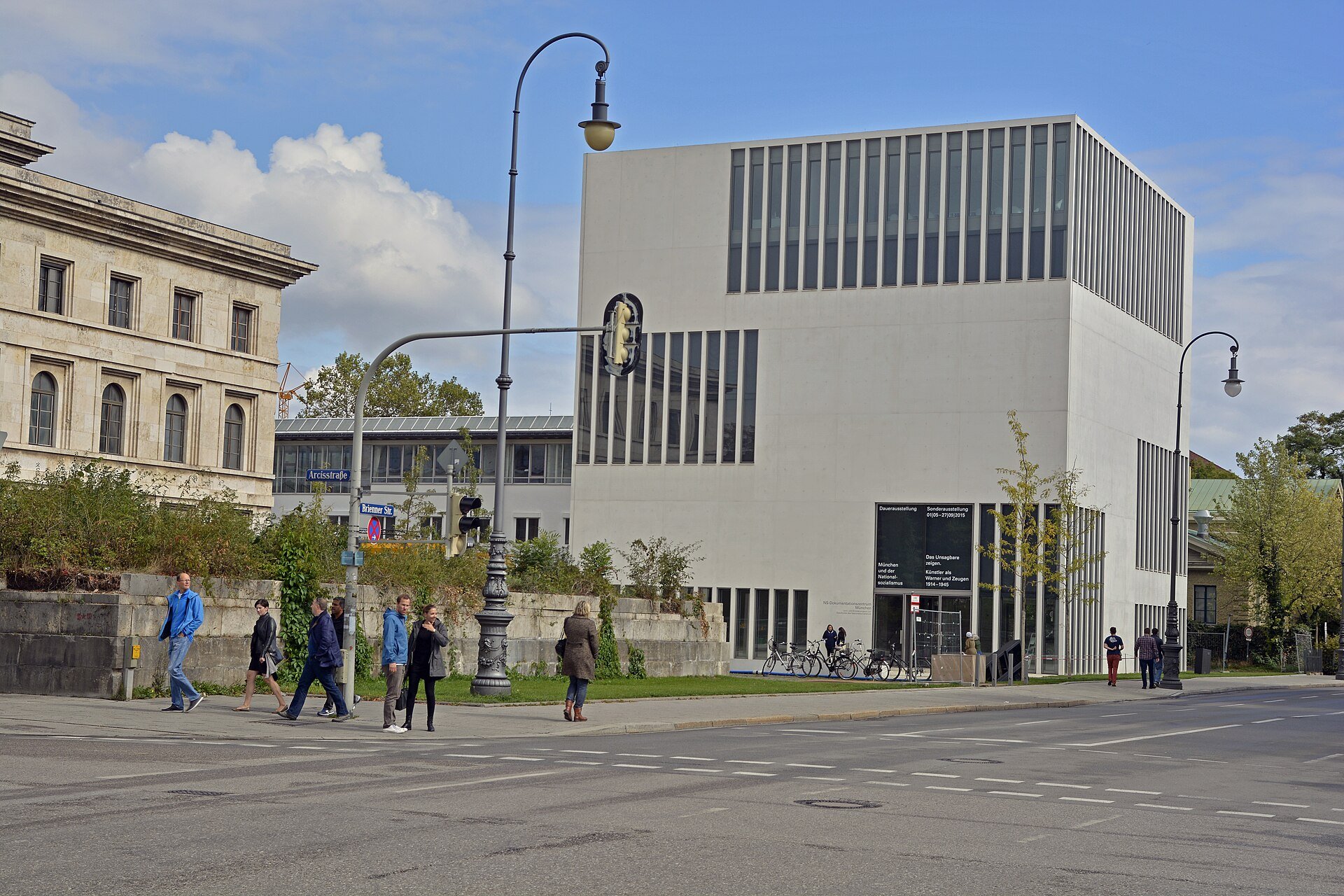
We are at the Documentation Centre for the History of National Socialism, on the site of the party’s former headquarters. Now comes our longest walk: through the university quarter of Maxvorstadt, north along Amalienstraße and along Schellingstraße to Ludwigstraße, to the university’s main building — about fifteen to twenty minutes. This white concrete cube with its narrow window slits stands…
The University and the White Rose
We are on Geschwister-Scholl-Platz, the square named after the Scholl siblings, in front of the main building of Munich’s university. After this stop we head back south along Ludwigstraße to Odeonsplatz and the Hofgarten — about fifteen minutes. Before going in, let’s look down at the ground by the main entrance. Set into the cobbles of the square are ceramic…
Free Walk
Our route is over. We are in the Hofgarten, a few steps from Odeonsplatz, and from here it is easy to reach any part of the old town — it is hard to get lost, and the app will always show the way. If you would like to continue thinking about remembrance, there are places nearby. On the eastern edge…